...

Blog Archive

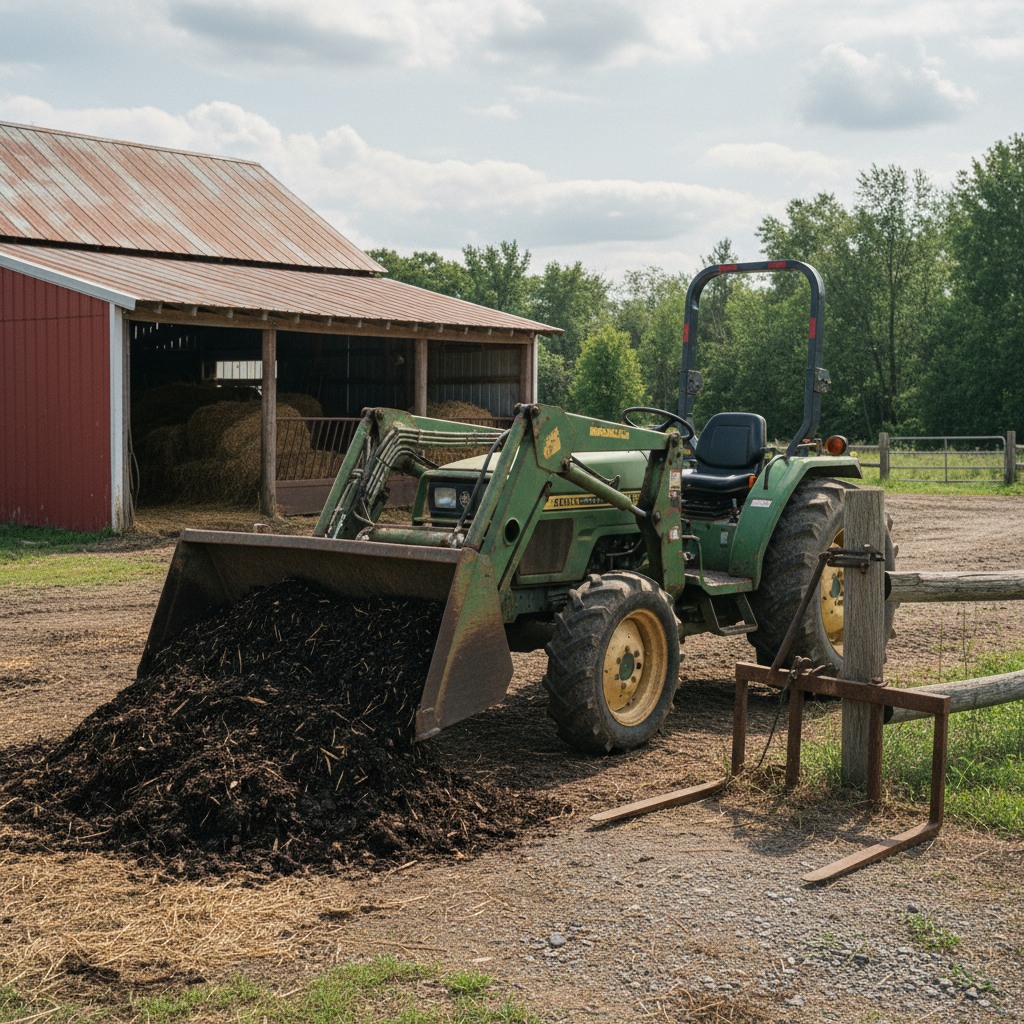
Why Start With A Front-End Loader?
Tractor 101
Popular Compact Farm Tractor Attachments: Practical Guide

Popular Compact Farm Tractor Attachments: Practical Guide One buying mistake shows up again and again: people choose tractor attachments by what looks useful in the yard, not by the jobs that repeat all year. On compact tractors, that usually means the loader comes first, but not every mower or rear tool deserves equal priority. Compact farm tractor attachment demand is

Read More »
Is Compact Tractor Maintenance Easy?
Tractor 101
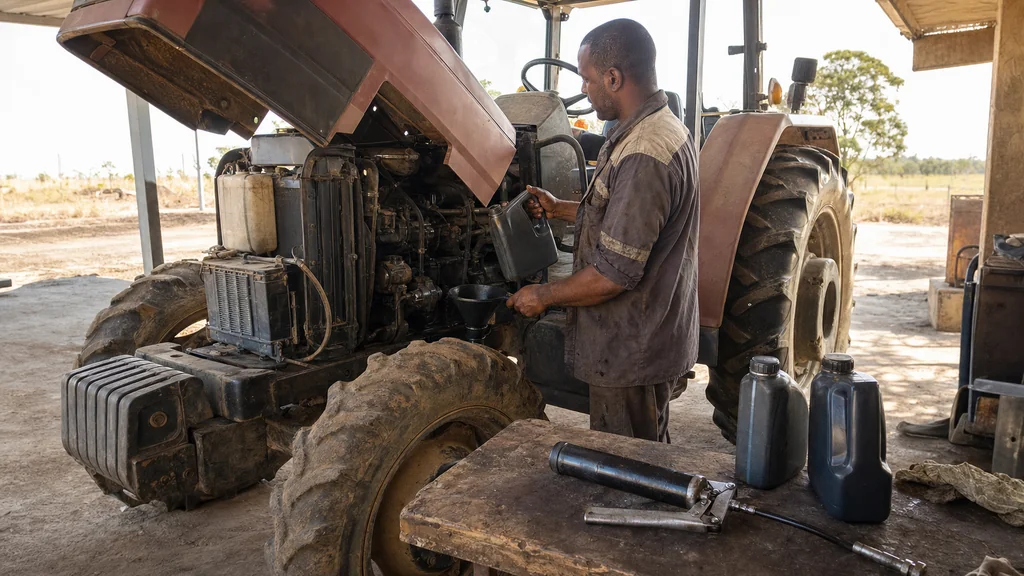
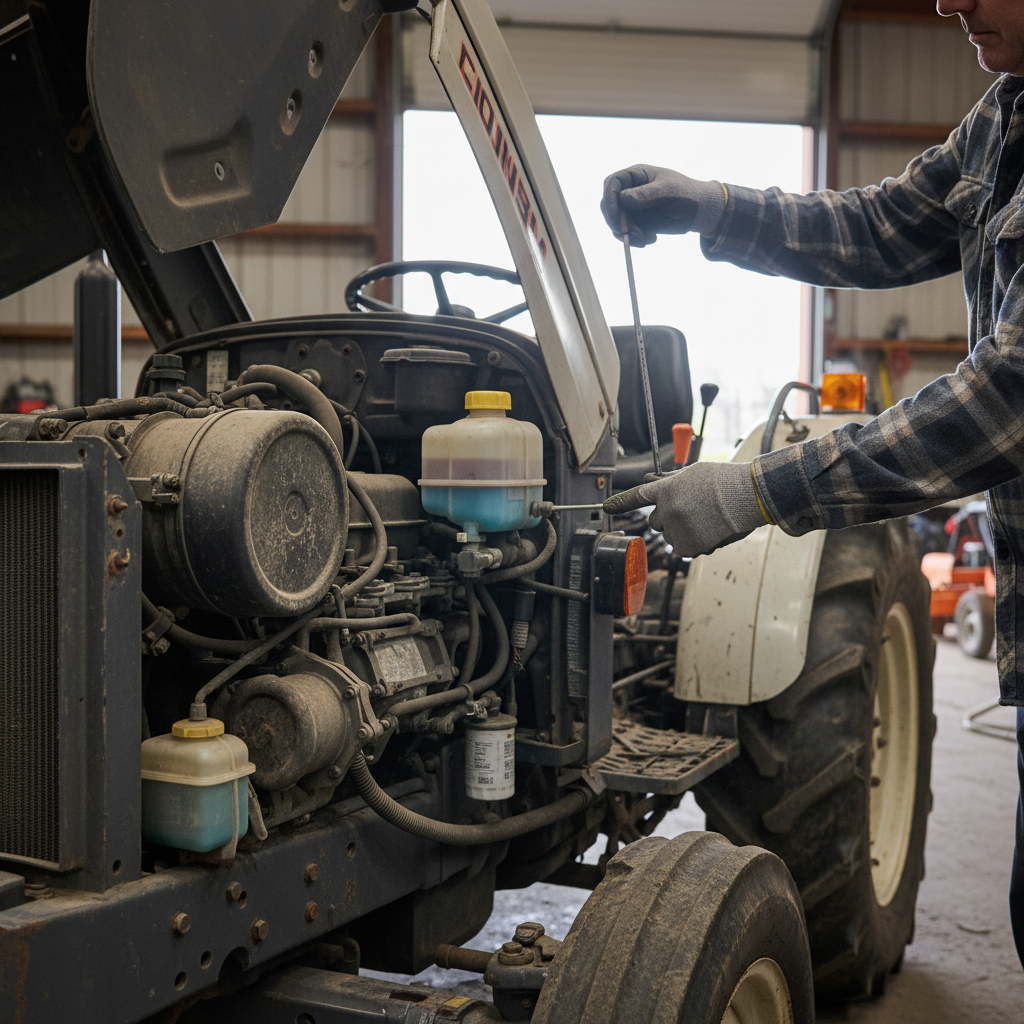
Compact Farm Tractor Maintenance: What Owners Should Expect

Compact Farm Tractor Maintenance: What Owners Should Expect One maintenance question decides a lot of compact tractor purchases: is this machine simple enough to service at home, or will every small problem send it back to the dealer? I usually tell buyers the answer depends more on routine than horsepower. Compact farm tractors are generally easier to maintain than larger

Read More »
Technical diagram illustrating What Are Worn-Out Farm Tractor Tire Signs? Expert Guide in farm tractor systems
Tractor 101
What Are Worn-Out Farm Tractor Tire Signs?

Worn-out farm tractor tires are identified not only by reduced lug height, but also by rounded tread bars, poor self-cleaning in wet soil, rising wheel slip, and uneven wear patterns linked to inflation, ballast, or driveline setup. Tire condition must also be judged by structural…

Read More »
Technical diagram illustrating How Engine Power Affects Tractor Efficiency: Practical Field Guide in farm tractor systems
Tractor 101
How Engine Power Affects Tractor Efficiency: Practical Field Guide

Engine power rating on a tractor sets the upper boundary for performance, but optimal efficiency depends on matching workloads to the engine’s most economical operating band—typically 60–80% of rated output at moderate RPM. Working consistently in this zone minimizes fuel consumption per unit of work…

Read More »
Technical diagram illustrating How Smaller Farms Manage with Fewer Tractors: Practical Field Guide in farm tractor systems
Tractor 101
How Smaller Farms Manage with Fewer Tractors: Practical Field Guide

Small- and medium-sized farms frequently manage peak seasonal workloads with only one main tractor by carefully calculating required field capacity for critical operations such as planting, spraying, and harvesting. Implement width, tractor speed, and available field hours determine whether a single machine can complete essential…

Read More »
Technical diagram illustrating Tractor Impact on Farm Efficiency: Manufacturer Insights for Real-World Results in farm tractor systems
Tractor Brands
How Tractor Impacts on Farm Efficiency?

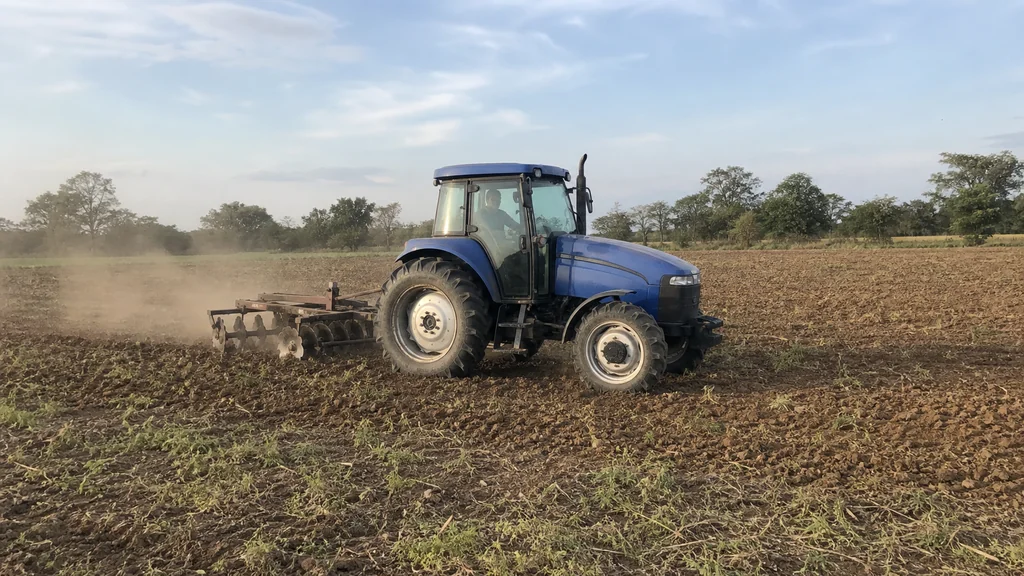
Mechanized tractors fundamentally increase farm efficiency by transforming fuel into sustained drawbar, PTO, and hydraulic power, enabling the operation of wide and heavy implements at consistent work rates. Field capacity often improves 6–10 times over manual or animal traction, particularly for primary tillage, planting, and…

Read More »
Technical diagram illustrating How to Identify Tractor Leaks: Field Guide to Avoid Common Mistakes in farm tractor systems
Tractor Brands
How to Identify Tractor Leaks: Field Guide to Avoid Common Mistakes

Accurate identification of tractor leaks requires careful observation of fluid characteristics and leak locations. Engine oil typically appears amber to black and collects under the engine, while hydraulic or transmission fluid is lighter and found around axles or loader circuits. Coolant presents as green, red,…

Read More »

Get Free Quotes Now!

We will contact you within 1 working day, please pay attention to the email with the suffix “@cropilots.com”

Wait!

Before you go, don’t miss out on our full list of over 40 tractor models, each designed for different agricultural needs. Whether you’re looking for a specific horsepower, attachments, or custom features, we’ve got the perfect solution for you.