Skip to content
What Are the Best Situations to Use 2WD Farming Tractors?

2WD farming tractors are perfect for small to medium-sized farms operating on flat, dry terrain. They provide a budget-friendly option with lower purchase and maintenance costs. Their lightweight design allows for easy maneuverability in tight spaces, making them suitable for seasonal or occasional use. Ideal tasks include seeding, spreading fertilizer, and other light-duty operations where high traction isn’t necessary. However, they struggle in muddy conditions and are not suited for hilly terrains. Understanding their strengths can help farmers optimize their equipment choices based on specific needs.
Why Should You Choose 4WD Farming Tractors?

4WD farming tractors are indispensable for modern agriculture, offering unmatched traction and stability on challenging terrains. They excel in handling heavy implements and performing various tasks efficiently, significantly boosting productivity. Despite a higher initial cost compared to 2WD models, their reliability and adaptability make them a worthwhile investment for farmers looking to optimize operations across diverse weather conditions and terrains. With enhanced performance in muddy or hilly landscapes, 4WD tractors ensure safer navigation and efficient operation while reducing energy loss during heavy-duty tasks. Their versatility allows them to tackle multiple farming activities year-round, making them an essential asset for large-scale operations.
What Are the Benefits of Choosing a 4WD Tractor?

Choosing a 4WD tractor can significantly improve your farming operations by providing enhanced traction, stability, and power. These tractors excel in challenging terrains like muddy fields and steep inclines, ensuring efficient performance regardless of weather conditions. Their ability to distribute weight evenly reduces soil compaction, promoting healthier crop growth while allowing farmers to work effectively in adverse situations. Additionally, 4WD tractors are versatile enough to handle various tasks—from plowing to harvesting—making them an indispensable tool for modern agriculture. With improved maneuverability and fuel efficiency, investing in a 4WD tractor can lead to increased productivity and sustainability on the farm.
What Benefits Does a 2WD Farm Tractor Offer?

2WD farm tractors offer numerous benefits for farmers seeking efficiency and cost savings. They feature lower purchase and maintenance costs compared to 4WD models, making them an economical choice. Their lighter weight enhances fuel efficiency during light tasks like mowing or tillage, while their smaller turning radius allows for better maneuverability in tight spaces. Additionally, 2WD tractors reduce soil compaction, promoting healthier soil conditions. Ideal for basic farming operations such as seeding and fertilizer spreading on flat terrains, these tractors provide a user-friendly experience with simpler controls that cater to both experienced operators and beginners alike. Overall, investing in a 2WD tractor can significantly enhance productivity while supporting sustainable farming practices.
What Are the Best Customization Options for Compact Tractors?

Unlock the full potential of your compact tractor with essential customizations. From versatile attachments like front-end loaders and backhoes to engine upgrades that enhance horsepower and fuel efficiency, discover how these modifications can transform your tractor into a multifunctional powerhouse. Ergonomic seating improves comfort during long hours of operation, while enhanced safety features ensure operator protection. Understanding traction’s role in stability and productivity is crucial for effective performance across different terrains. Dive into the world of hydraulic system customization for tailored solutions that meet specific operational demands. Prioritize safety with roll-over protection structures (ROPS) and improved visibility through advanced lighting options. This guide provides insights on maximizing your tractor’s capabilities to tackle any farming challenge efficiently.
What Are the Benefits of Using a Compact Tractor?

Compact tractors are revolutionizing farming with their versatility and efficiency. These compact machines can handle a variety of tasks such as mowing, plowing, and hauling while being easy to navigate in tight spaces. Their lower fuel consumption and maintenance costs make them a budget-friendly option for hobby farmers and property owners alike. With the ability to use multiple attachments like mowers and loaders, compact tractors serve as an all-in-one solution for various agricultural needs. Additionally, modern safety features ensure operator security while enhancing comfort during long hours of work. Whether you’re new to farming or looking to upgrade your equipment, compact tractors offer a practical investment that boosts productivity without breaking the bank.
Why Are Diesel Engines Preferred in Farm Tractors?

Diesel engines dominate the agricultural sector due to their exceptional torque output, fuel efficiency, and robust construction. These engines excel in demanding tasks like plowing and hauling while providing longevity and reliability. Their lower flammability enhances safety during fuel storage and handling on farms. Additionally, diesel engines perform well under various weather conditions, ensuring consistent operation year-round. With standardization across most farm equipment, they simplify maintenance and logistics for farmers. Understanding these benefits helps make informed decisions about equipment purchases and operational strategies in agriculture.
When Is the Best Time to Replace Your Farm Tractor Tires?
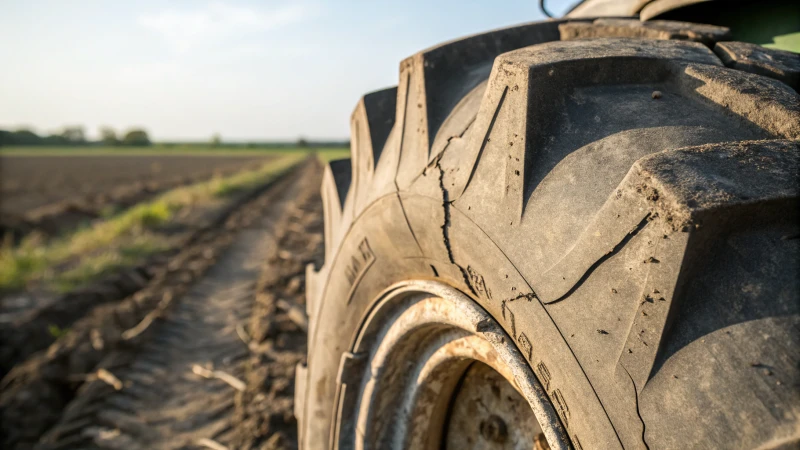
Knowing when to replace your farm tractor tires is essential for maintaining safety and efficiency. Key indicators include tread depth falling below 20%, visible cracks, bulges, or age over 6-10 years. Regular inspections can prevent costly downtimes and enhance traction, fuel efficiency, and overall performance. This guide covers how to assess tire condition, the importance of tread depth for traction, and practical maintenance tips to extend tire life. By staying proactive about tire care, you can ensure your tractor remains reliable during critical farming operations.
How Many Tractors Does an Average Farm Use?
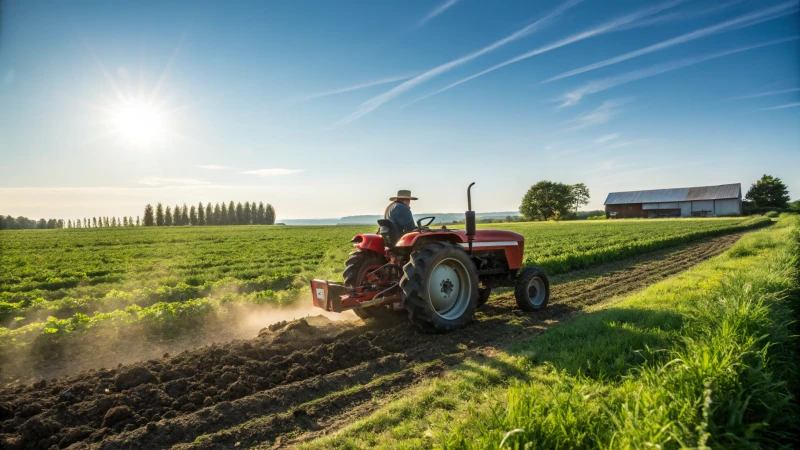
The number of tractors a farm requires is influenced by its size, type of farming, mechanization level, and labor availability. Small farms typically use 1-2 versatile tractors for various tasks, while medium-sized farms may utilize 2-4 tractors tailored to specific operations. Large farms often operate with a fleet of 4-10 tractors to efficiently manage extensive fields. Specialized farms have unique requirements that dictate their tractor choices, such as narrow models for vineyards or high-clearance units for orchards. Understanding these dynamics helps farmers optimize their machinery investments and improve operational efficiency.
How Can You Extend the Lifespan of Your Farm Tractor?

To prolong the lifespan of your farm tractor, adhere to a consistent maintenance schedule that includes regular checks on fluid levels, air filters, and lubrication. Proper cleaning after use prevents rust and mechanical issues while storing the tractor in a dry area protects it from harsh weather. Tire maintenance is crucial; regularly check pressure and inspect for wear to enhance safety and efficiency. Engine care involves using quality fuels and avoiding overloading. Lastly, ensure all operators are trained in safe usage practices to reduce wear and prevent accidents. By following these guidelines, you can keep your tractor running smoothly for years to come.