Skip to content
What Maintenance Do 4WD Tractors Require?

A 4WD tractor requires the same engine, cooling, hydraulic, electrical, tire, and safety care as other tractors, but it may also have a driven front axle and additional drivetrain components. Published guidance identifies the front differential, axle oil, drive shaft, and universal joints among the [additional front-drive components, ev-9367b4890f44](https://solis-yanmar.com/tractor-spotlight/maintenance-tips-to-keep-your-4wd-tractor-running-like-new)² that may need attention.
A practical maintenance plan has three layers: readiness checks before use, scheduled servicing based on operating hours and calendar time, and periodic condition and safety inspections. However, generic schedules are only planning references. The operator manual for the exact model must determine every fluid, quantity, interval, adjustment, and procedure; even a detailed maintenance guide emphasizes this [operator-manual priority, ev-486bc7a98b5c](https://www.grit.com/tools/farm-tractor-maintenance-guide-zmaz07jfzgoe/)¹.
For owners and buyers in Latin America and Africa, maintenance supportability is also a decision gate. The required fluids, filters, replacement parts, technical information, tools, and qualified service must be verified for the actual operating location rather than inferred from unsupported regional assumptions.
What Are the Main Disadvantages of a 2WD Tractor for Farm Work?

A 2WD tractor is not automatically the wrong tractor. Its central disadvantage is a narrower operating envelope—in plain English, fewer combinations of terrain, surface conditions, and demanding work before grip or pulling ability becomes the constraint. Industry comparisons repeatedly identify [limited traction and pulling power, ev-0474a67438fa](https://www.fortworthtractor.com/blog/pros-and-cons-of-2wd-vs-4wd-tractors-which-one-is-right-for-you–84858), while presenting [light tasks on flat land, ev-f835b5223eb6](https://hixenmachinery.com/es/2wd-vs-4wd-tractor/) as the more favorable case for 2WD.
The useful buying question is therefore not whether 2WD is universally good or bad. It is whether the tractor’s recurring work stays within that favorable case. For buyers in Latin America, Africa, or elsewhere, the answer should come from the actual farm: local slopes, expected ground conditions, the heaviest routine pulling job, and intended implements—not assumptions about an entire country or region.
How Does Traction Influence Farm Tractor Performance?
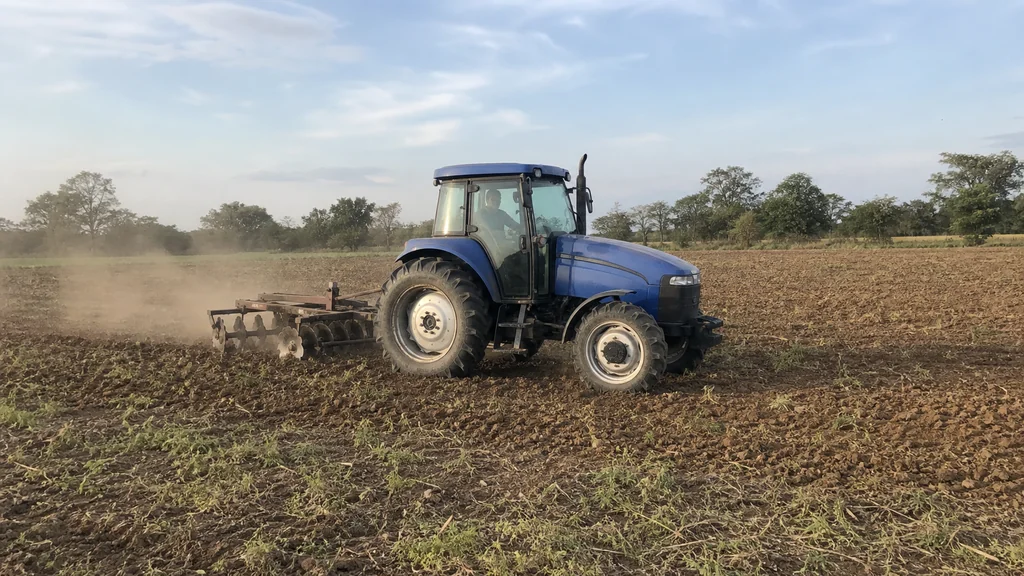
Traction determines how effectively power at a tractor’s drive axles becomes useful drawbar pull at its actual speed. The relevant question is therefore not simply “How much horsepower does the engine produce?” but “How much useful work can the tractor complete under the intended load, soil, moisture, and setup?” The tractor traction relationship connects pull, motion resistance, travel reduction, speed, and tractive efficiency.
Controlled traction can help maintain working speed, implement depth, steering, and effective field capacity. Poor traction can cause excessive slip, lost speed, tire wear, rutting, and higher fuel use per completed operation. However, maximum grip is not the universal objective. Excessive ballast, unsuitable pressure, or operation on vulnerable wet soil may keep the tractor moving while increasing resistance or compaction risk, as explained in soil-compaction guidance.
For operations in Latin America, Africa, and other markets, conclusions should remain model- and condition-specific. Tractor configuration, locally available tires, implement load, actual axle loads, soil strength, moisture, slopes, transport duty, and service support all need verification.
What Lubricants Are Best for Maintaining a Tractor?
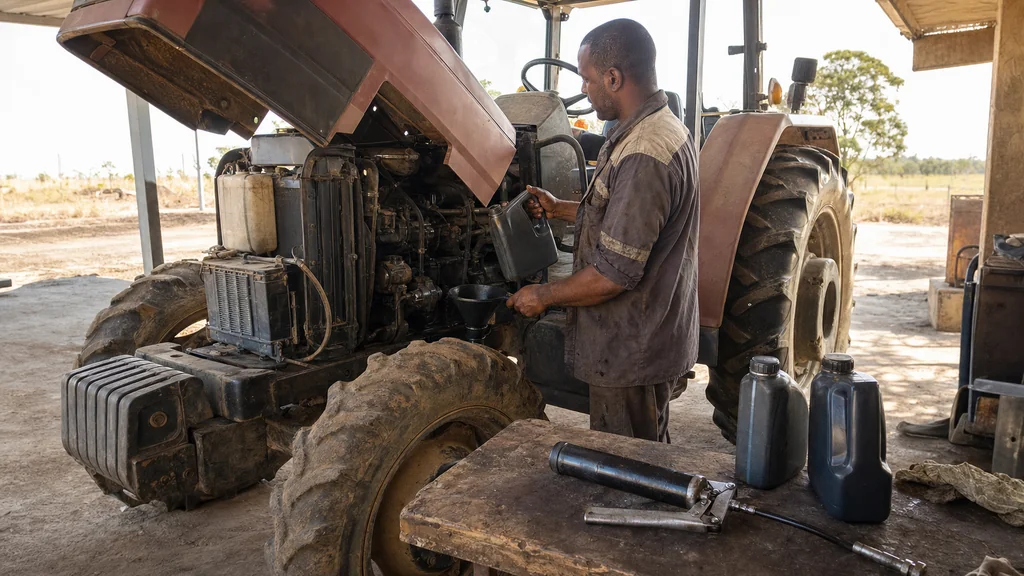
There is no single lubricant that is best for every part of a tractor. Manufacturer guidance separates engine, transmission, hydraulic, axle, gear, and grease applications because each component can have a different requirement.
The best lubricant is the product that:
– Is intended for the exact component or shared reservoir.
– Has the manufacturer-required viscosity.
– Meets the required performance specification.
– Suits the expected temperature range and operating duty.
– Has current, traceable technical documentation.
– Is used with the correct quantity, filter, service interval, and level-check procedure.
The operator’s manual and the latest model-specific information from the original equipment manufacturer (OEM) take priority over brand familiarity, colour, price, or a generic “tractor oil” label. This specification-first approach also provides a reliable way to assess locally available products in Latin America and Africa without assuming that similar packaging or viscosity means equivalent performance.
Signs of Leaks in Farm Tractors: Safe Checks for Owners and Buyers

Learn how to recognize tractor leak signs, inspect safely, identify the possible fluid, and prepare useful information for service or a used-tractor decision.
Popular Compact Farm Tractor Attachments: Practical Guide
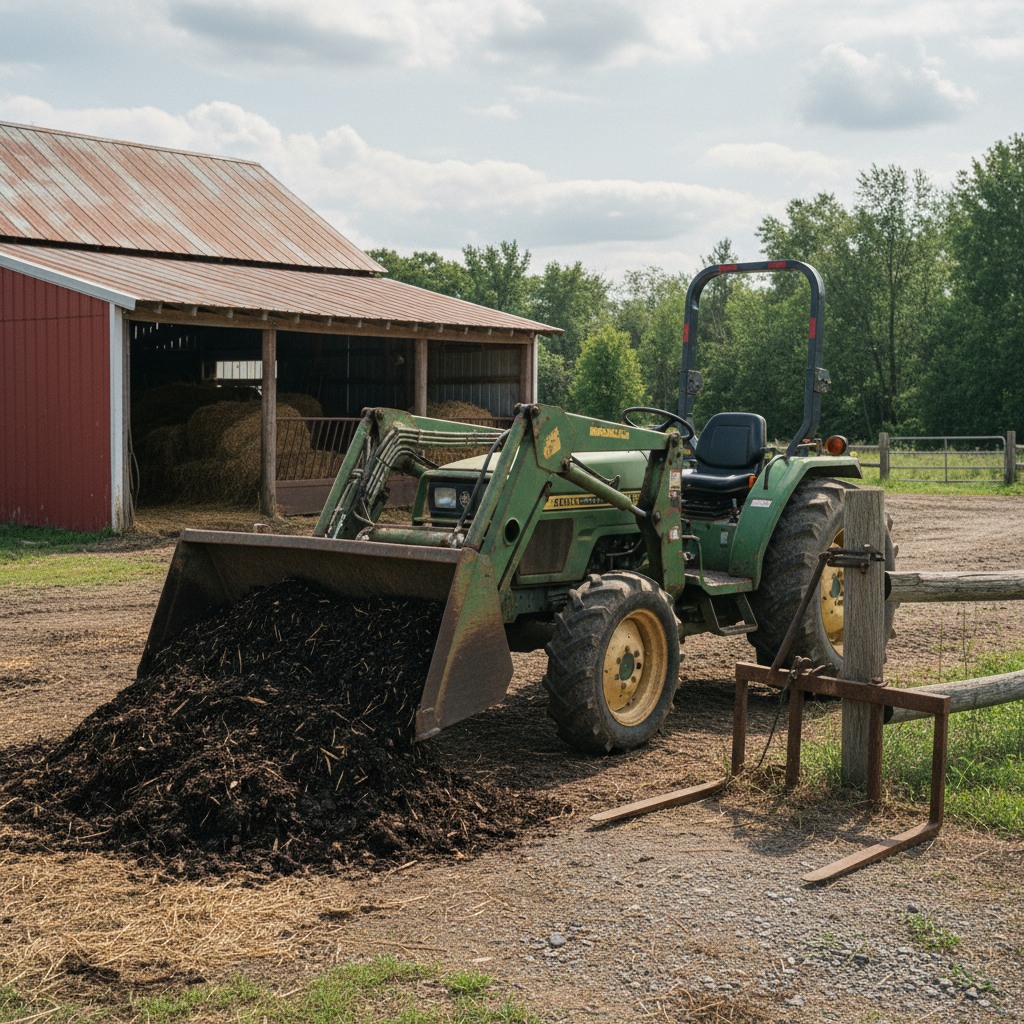
Popular Compact Farm Tractor Attachments: Practical Guide One buying mistake shows up again and again: people choose tractor attachments by what looks useful in the yard, not by the jobs that repeat all year. On compact tractors, that usually means the loader comes first, but not every mower or rear tool deserves equal priority. Compact […]
Compact Farm Tractor Maintenance: What Owners Should Expect
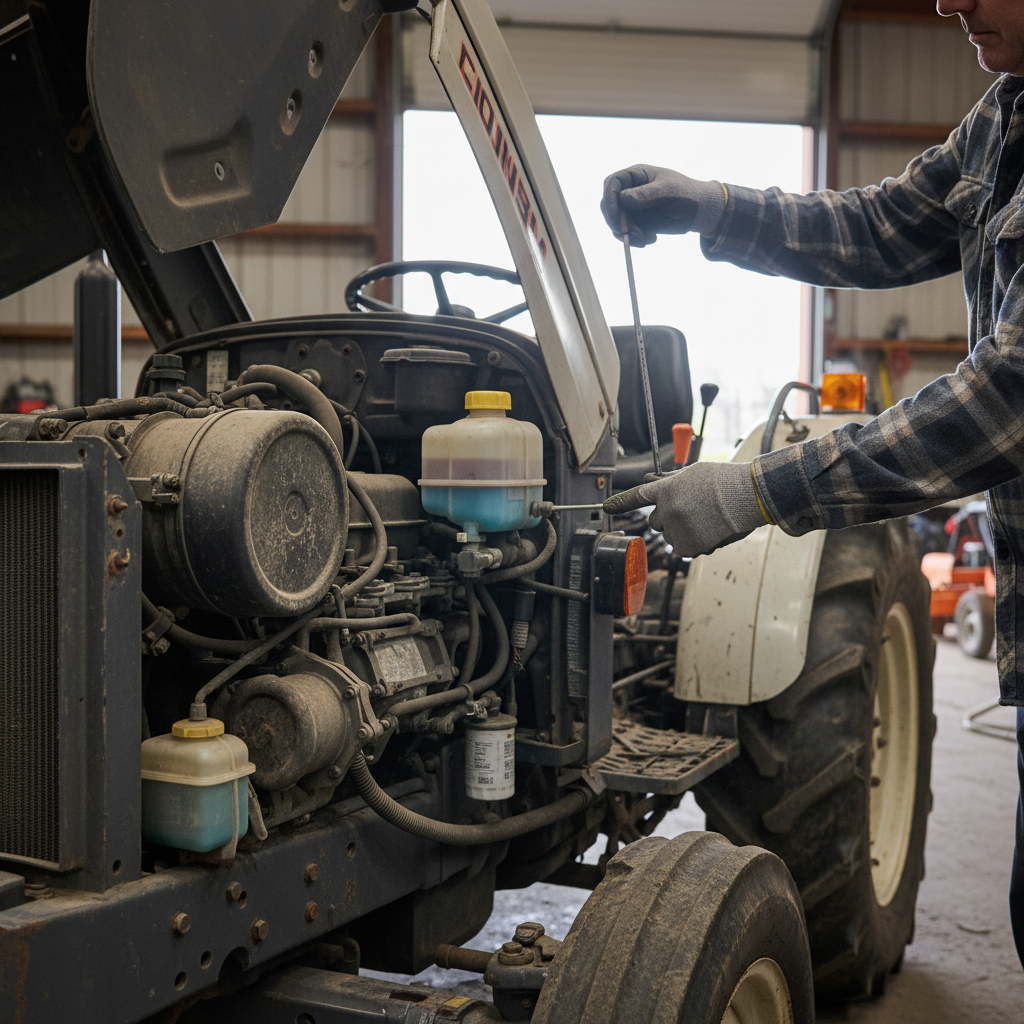
Compact Farm Tractor Maintenance: What Owners Should Expect One maintenance question decides a lot of compact tractor purchases: is this machine simple enough to service at home, or will every small problem send it back to the dealer? I usually tell buyers the answer depends more on routine than horsepower. Compact farm tractors are generally […]
What Are Worn-Out Farm Tractor Tire Signs?

Worn-out farm tractor tires are identified not only by reduced lug height, but also by rounded tread bars, poor self-cleaning in wet soil, rising wheel slip, and uneven wear patterns linked to inflation, ballast, or driveline setup. Tire condition must also be judged by structural…
How Engine Power Affects Tractor Efficiency: Practical Field Guide

Engine power rating on a tractor sets the upper boundary for performance, but optimal efficiency depends on matching workloads to the engine’s most economical operating band—typically 60–80% of rated output at moderate RPM. Working consistently in this zone minimizes fuel consumption per unit of work…
How Does Engine Power Affect Tractor Efficiency? A Manufacturer’s Field Guide

Engine power influences tractor efficiency through the relationship between horsepower, load, and torque characteristics. Maximum fuel efficiency in conventional diesel tractors is typically achieved when operating at 65–80% of rated power; lower loads increase specific fuel consumption per unit of work. Excessive engine size leads…