Skip to content
What Are the Top Benefits of Farm Tractor Cabs?

Farm tractor cabs are essential for modern agricultural practices, offering numerous benefits that significantly enhance the working experience. They provide vital protection from harsh weather conditions such as rain, snow, and intense sunlight. With features like climate control systems, ergonomic seating, and noise reduction capabilities, these cabs ensure operator comfort during long hours in the field. Additionally, enhanced visibility through panoramic windows improves safety by reducing blind spots while air filtration systems protect against dust and allergens. The versatility of tractor cabs allows for year-round operation regardless of the season or time of day. Investing in a tractor cab not only boosts productivity but also transforms the farming experience into a more enjoyable and efficient endeavor.
How Long Does Delivery Take for Chinese Agricultural Tractors?
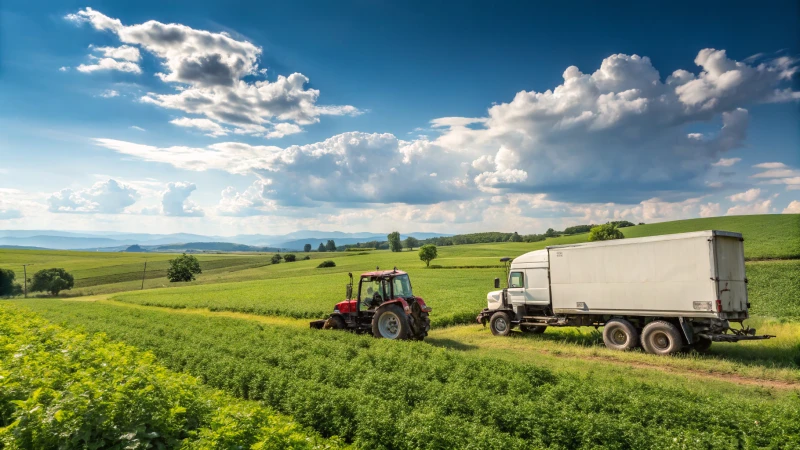
Delivery times for Chinese agricultural tractors range from 4 to 10 weeks, depending on factors like order specifics, shipping methods, and destination. In-stock models generally ship within 5-10 days, while customized orders may take longer due to manufacturing requirements. Shipping methods also play a crucial role; air freight is quicker but more expensive than sea freight. Additionally, customs clearance can add extra time to delivery schedules. To expedite the process, consider opting for in-stock models and confirm timelines with manufacturers. Understanding these dynamics helps manage expectations and ensures timely arrival of essential farming equipment.
What Are the Top Customization Options for Agricultural Tractors?

This blog post discusses the best customization options for agricultural tractors that enhance performance and comfort. Key areas include engine upgrades for increased power, hydraulic system enhancements for better control, and ergonomic improvements to reduce operator fatigue. By tailoring these features to specific farming needs, operators can maximize efficiency and productivity while ensuring a comfortable working environment. The article also highlights the importance of selecting the right tires based on terrain and task requirements, as well as incorporating safety features like ROPS to improve operational efficiency. Discover how these modifications can transform your tractor into a more effective tool for modern agriculture.
What is the Best Time of Year to Buy Farm Tractors?

Buying a farm tractor requires strategic timing to maximize savings. The ideal times include the off-season (late fall to winter) when demand drops, during new model releases for clearance deals on older models, and at the end of the financial year for potential tax benefits. Additionally, promotional events like trade shows offer exclusive discounts and direct negotiation opportunities. Early spring also presents a good chance as dealers stock up before planting season. Understanding these trends can help buyers secure better prices and ensure they get the right equipment when needed.
Why Choose Diesel Farm Tractors for Your Agricultural Needs?
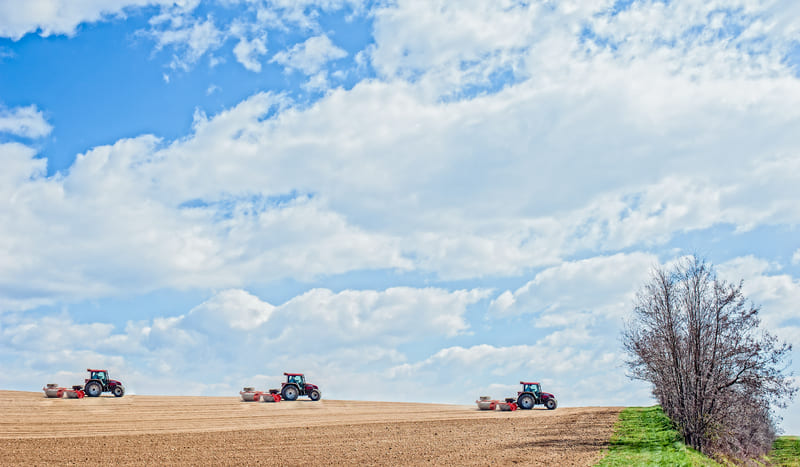
Diesel farm tractors are essential for modern agriculture due to their superior fuel efficiency, high torque at low speeds, and exceptional durability. These machines can handle demanding tasks like plowing and hauling with ease, ensuring reliable performance over long hours. Diesel engines require less maintenance than gasoline engines, translating into lower operational costs and longer lifespans. Additionally, their versatility allows compatibility with various implements, making them indispensable on farms. While diesel emissions are a concern, advancements in technology help mitigate environmental impacts. Overall, investing in diesel tractors provides farmers with a powerful partner that enhances productivity while being cost-effective.
What Are the Leading Causes of Tractor Rollovers?
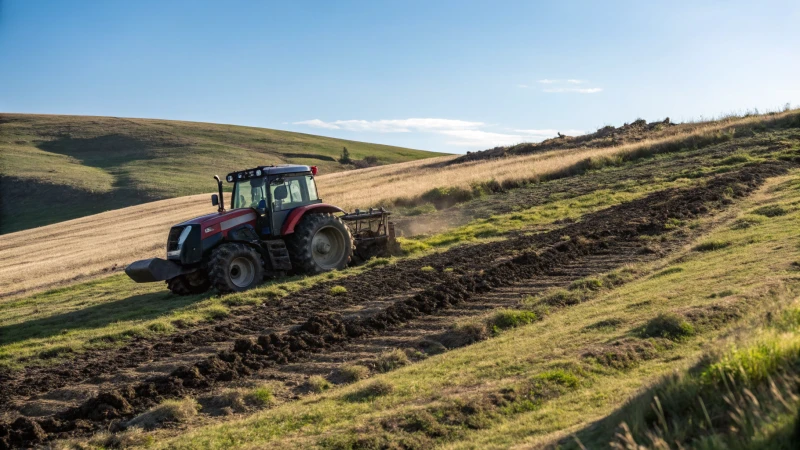
Tractor rollovers pose significant risks on farms due to factors such as uneven terrain, operator errors, and mechanical failures. Key causes include driving too fast on slopes, making sharp turns, and improper weight distribution. To mitigate these risks, operators should undergo thorough training, maintain their equipment regularly, and utilize safety features like Rollover Protective Structures (ROPS). Understanding the impact of environmental conditions is crucial for safe tractor operation. By implementing best practices for navigating challenging terrains and ensuring proper loading techniques, farmers can enhance safety and prevent rollover accidents effectively.
What Are the Best Practices for Storing Farm Tractors Safely?

Storing farm tractors properly is essential for maintaining their longevity and performance. Key practices include selecting a suitable storage location—preferably indoors—thoroughly cleaning the tractor before storage, performing necessary preventative maintenance such as oil changes and coolant checks, protecting the fuel system with stabilizers, disconnecting or maintaining the battery to prevent drainage, and conducting periodic inspections during storage. These steps help avoid rust, corrosion, leaks, and rodent damage while ensuring your tractor remains in optimal condition for when you need it next. By following these guidelines diligently, you can protect your investment and ensure your tractor is ready for action come planting season.
How Can You Prevent Accidents with Farm Tractor PTO Shafts?
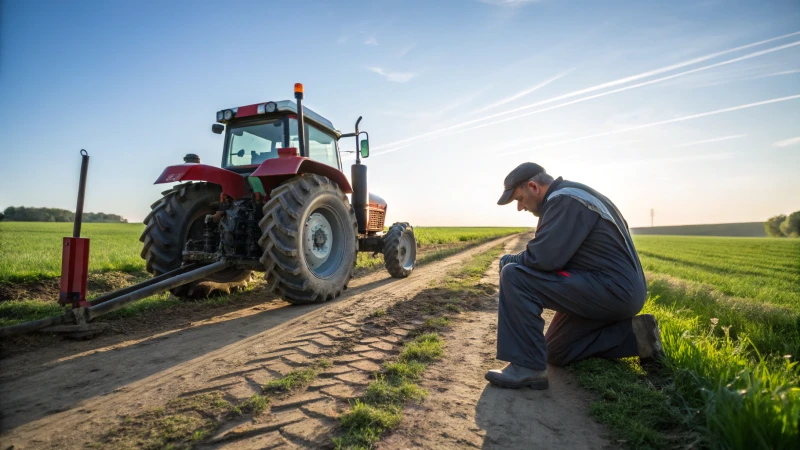
Preventing accidents with farm tractor PTO shafts is crucial for safety. Key measures include ensuring proper guarding of components, conducting regular inspections and maintenance, adhering to safe operational practices, and providing comprehensive training for all operators. Personal safety measures such as wearing snug clothing and securing long hair are essential. Understanding the specific risks associated with PTO systems can help mitigate potential hazards. By fostering a culture of safety through awareness and education, farmers can significantly reduce the risk of injuries related to PTO operations.
How Often Should You Check and Replace the Air Filter in Your Farm Tractor?

Maintaining your farm tractor’s air filter is crucial for optimal engine performance. Check the air filter every 50 hours of use, or daily if operating in dusty conditions. Replacement is typically needed after 200-500 hours based on usage and environmental factors. Signs that indicate a need for replacement include decreased engine performance, unusual noises, increased fuel consumption, black smoke from the exhaust, and visible dirt on the filter. Understanding when to clean versus replace can save you from costly repairs and keep your equipment running smoothly. Tailor your maintenance strategy according to operating conditions to enhance performance and extend the lifespan of your tractor.
What Safety Features Should You Prioritize in a Farm Tractor?

When choosing a farm tractor, prioritizing safety features is essential. Key elements include Rollover Protective Structures (ROPS) and seatbelts that protect operators during rollovers, Power Take-Off (PTO) guards to prevent entanglement accidents, and effective lighting systems for visibility in low-light conditions. Regular maintenance of brakes also plays a crucial role in ensuring safe operation on uneven terrain. By understanding these vital safety components and implementing best practices, farmers can significantly reduce risks associated with tractor operation while enhancing overall productivity and compliance with safety regulations.