Skip to content
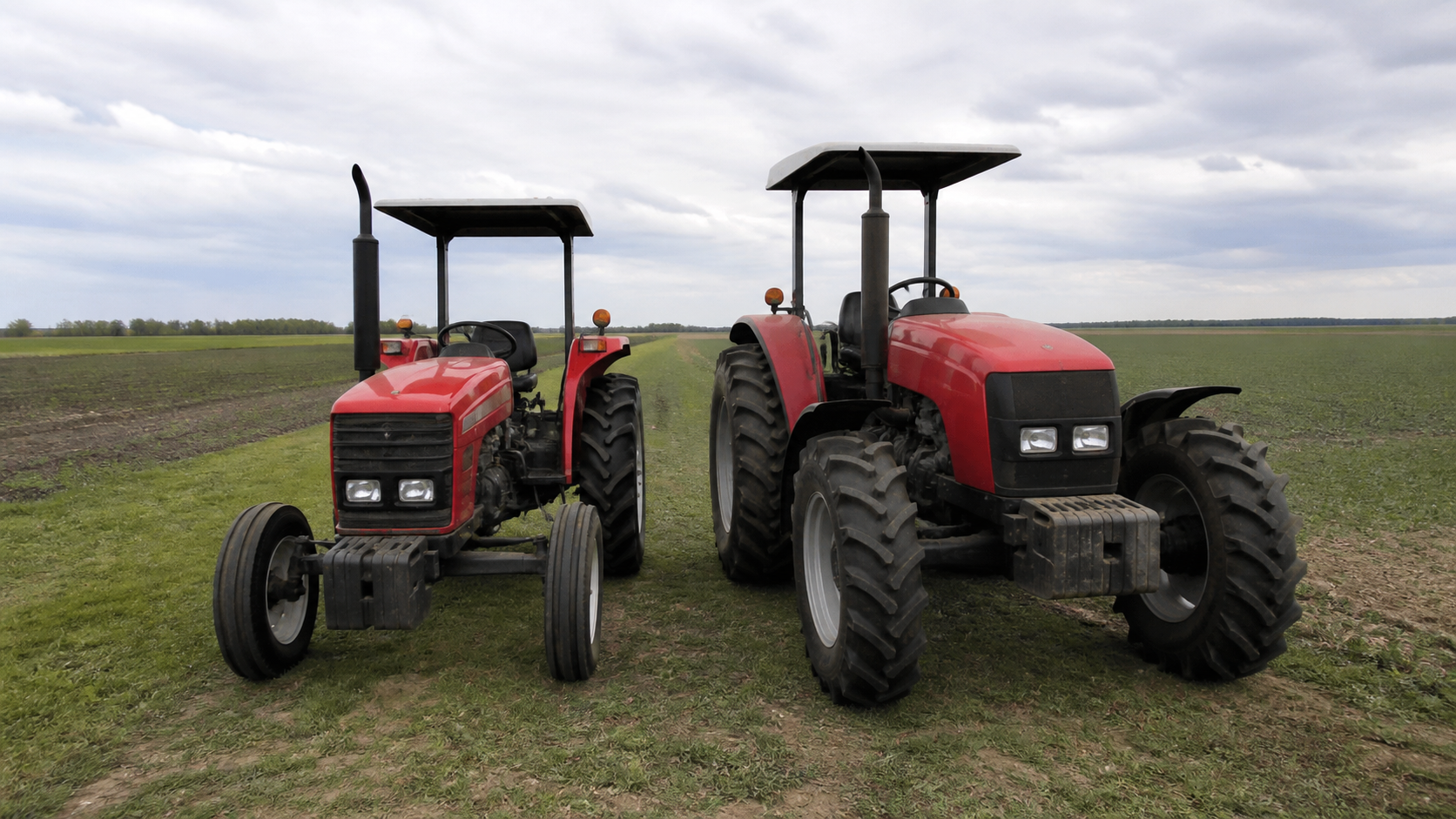
2WD tractors usually have the advantage when maneuverability means making tight, repeated turns in confined areas. The supplied comparisons report smaller 2WD turning circles and easier tight-space navigation. However, drivetrain is only a starting point: 4WD may provide useful open-field control and a narrower gap in some newer designs.
These sources provide directional industry guidance rather than model-specific manufacturer test data. For buyers in Latin America and Africa, the practical question is therefore not which drivetrain wins everywhere, but which locally available tractor fits the tightest recurring space and the dominant working environment. Confirm that answer with documentation and a representative demonstration.
Which Usually Turns More Easily: 2WD or 4WD?
2WD tractors usually turn more tightly in confined areas, while 4WD tractors may be harder to maneuver there; actual performance remains model-specific.
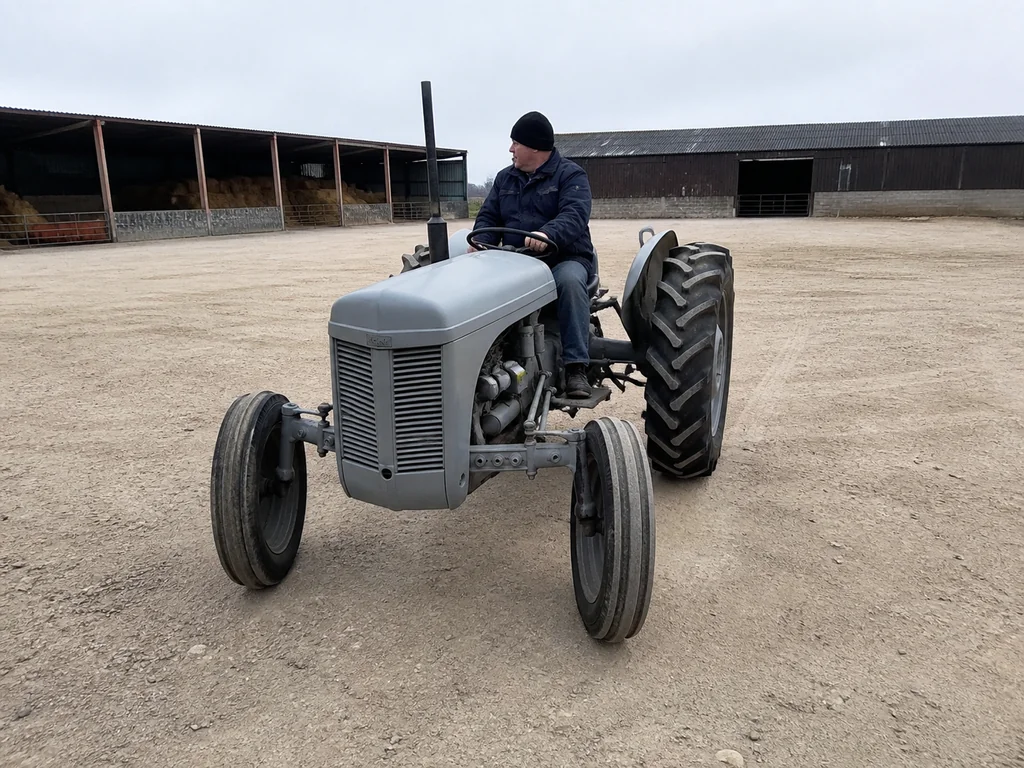
Usually, a 2WD tractor turns more easily in confined areas. Industry comparisons associate 2WD with smaller turning circles1 and easier navigation in tight spaces2. Another comparison describes 4WD tractors as less suited to cramped areas3.
| Comparison point | 2WD tendency | 4WD tendency |
|---|---|---|
| Repeated tight turns | Usually more favorable | Often needs more room |
| Small-area navigation | Often easier | Can be harder |
| Final buying test | Verify the exact model | Verify the exact model |
These are general tendencies, not guarantees. If both candidates can complete the required route, compare their wider suitability instead of choosing only by drivetrain label.
Practical takeaway: Favor 2WD when tight recurring turns dominate, but confirm the shortlisted models instead of treating drivetrain as a guarantee.
Favor 2WD when tight recurring turns dominate, but confirm the shortlisted models instead of treating drivetrain as a guarantee.
What Does Maneuverability Mean for Your Work?
Maneuverability includes both tight-turn agility and control in the intended working environment, so the smallest turning circle is not automatically the best overall choice.
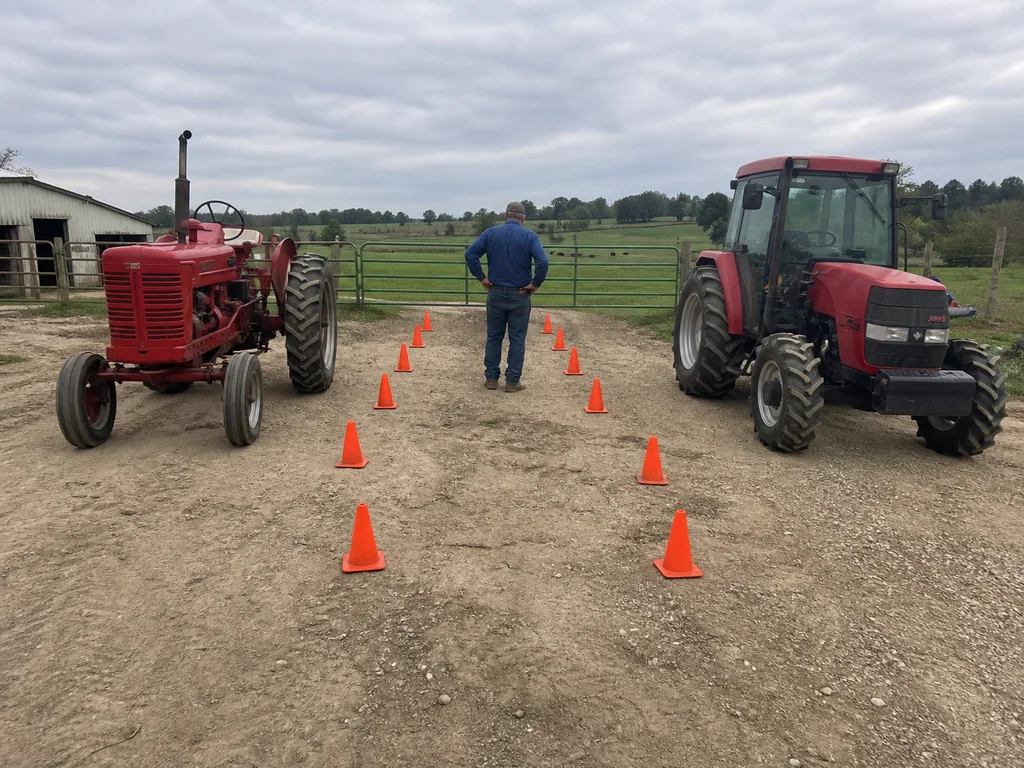
For this comparison, maneuverability has two practical dimensions.
Tight-turn agility asks whether the tractor can repeatedly negotiate the operation’s restricted routes and work areas. Turning radius—the amount of space required to turn—is identified as the main maneuverability metric1. This is where the documented 2WD tight-space advantage2 matters most.
Control in the working environment asks how well the tractor suits the setting where it performs its dominant work. A 4WD tractor’s reported control in open fields4 may matter more than achieving the smallest possible turn.
Before comparing models, ask:
- Where must the tractor maneuver every week?
- Which recurring location is most restrictive?
- Is maneuvering mainly confined or on flat terrain?
- Does open-field control carry more weight than tight-turn agility?
- Can each candidate complete the required route in its intended configuration?
The tightest-turning tractor is not automatically the best overall purchase. Weight confined-space agility against open-field control according to the work performed most often.
2WD tractors usually turn more tightly than 4WD tractors in confined areas.True
Industry comparisons consistently describe 2WD tractors as having smaller turning circles and being easier to navigate in tight spaces, though individual models vary.
The tractor with the smallest turning circle is automatically the most maneuverable choice for every job.False
Turning radius is the main tight-space metric, but open-field control can be more important when confined maneuvering is not the dominant requirement.
A 4WD label alone proves that a tractor will be difficult to maneuver.False
Some newer 4WD designs narrow the maneuverability gap, so buyers must assess the turning performance of the exact model.
How Should You Compare Turning Radius?
Compare turning-radius or turning-circle information for each candidate against the most restrictive space the tractor must navigate regularly.
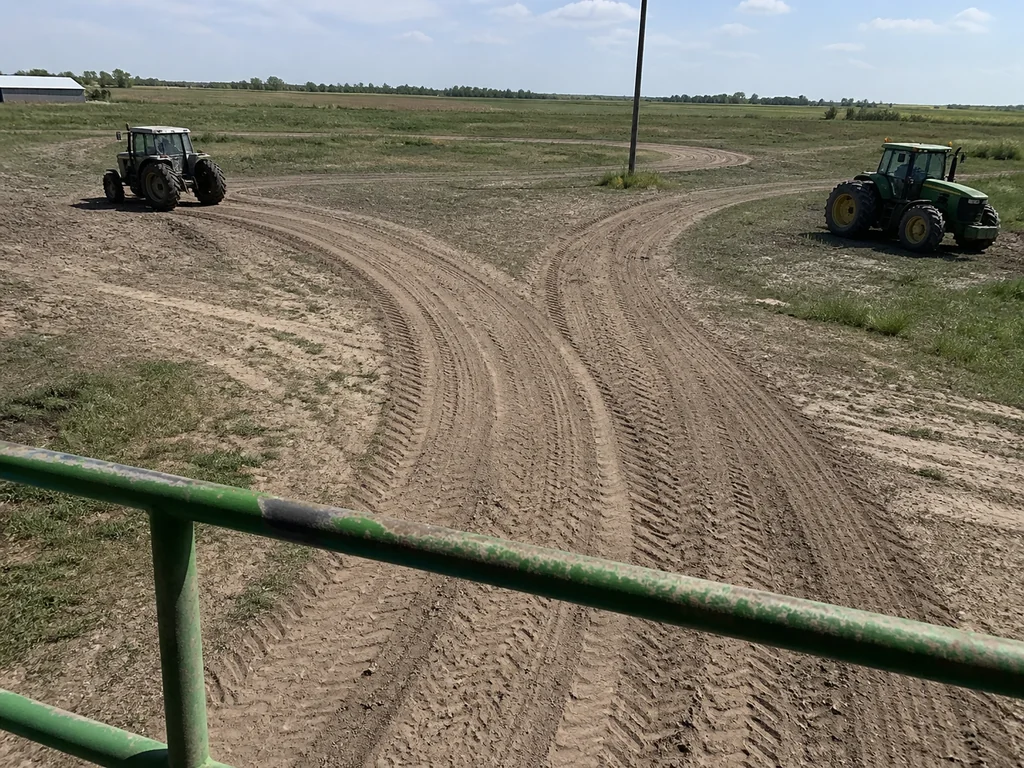
Because turning radius is the anchor maneuverability metric1, compare the actual information supplied for every shortlisted tractor. Begin with the operation’s narrowest recurring route, then ask each supplier to explain the turning measurement and test configuration used for the exact model.
| Check | What to record | Decision test |
|---|---|---|
| Restrictive recurring space | Available path and fixed obstacles | Establish the real test route |
| Candidate documentation | Published turning figure and stated setup | Screen out tractors that do not fit |
| Representative demonstration | Actual behavior on the required route | Confirm practical clearance |
| Everyday usability | Reversing or corrections needed | Compare candidates consistently |
Use the same type of measurement and units when comparing candidates. Do not accept a brochure figure as final proof when its basis is unclear; request clarification or a demonstration.
Practical takeaway: Shortlist only tractors whose documented or demonstrated turning performance clears the narrowest recurring route or work area.
Shortlist only tractors whose documented or demonstrated turning performance clears your narrowest recurring route or work area.
Where Does Each Drivetrain Fit Best?
2WD generally suits tight or cramped work and maneuvering on flat terrain, while 4WD deserves consideration when open-field control matters more.
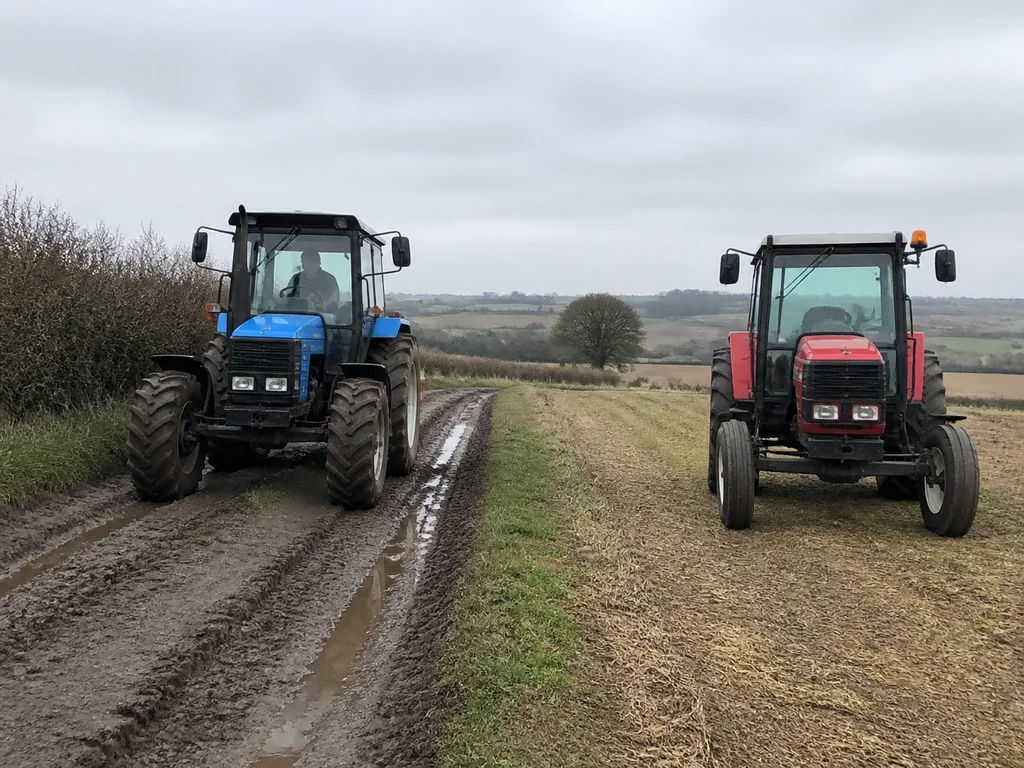
Start with a 2WD candidate when:
- Tight or cramped maneuvers occur repeatedly.
- The smallest practical turn is a major selection constraint.
- The work emphasizes the documented 2WD tight-space advantage2.
- Maneuvering is mainly on flat terrain, where 2WD is described as offering lighter, easier maneuvering5.
Keep a 4WD candidate in contention when:
- Open-field control matters more than achieving the tightest possible turn.
- Its reported open-field control4 is relevant to the dominant work.
- The exact model still fits every recurring confined route.
- The buyer has accounted for the general cramped-area limitation3.
For mixed operations, identify the real bottleneck. A difficult maneuver repeated every day may justify favoring 2WD. If confined turns are less important and open-field control dominates, a verified 4WD model may be the better overall fit.
Decision rule: Choose 2WD for recurring confined maneuvers unless the value of 4WD control in open work outweighs its usually less favorable tight-turn behavior.
Can Newer 4WD Tractors Still Maneuver Well?
Some newer 4WD designs narrow the maneuverability gap, so the drivetrain label alone should not eliminate an otherwise suitable model.
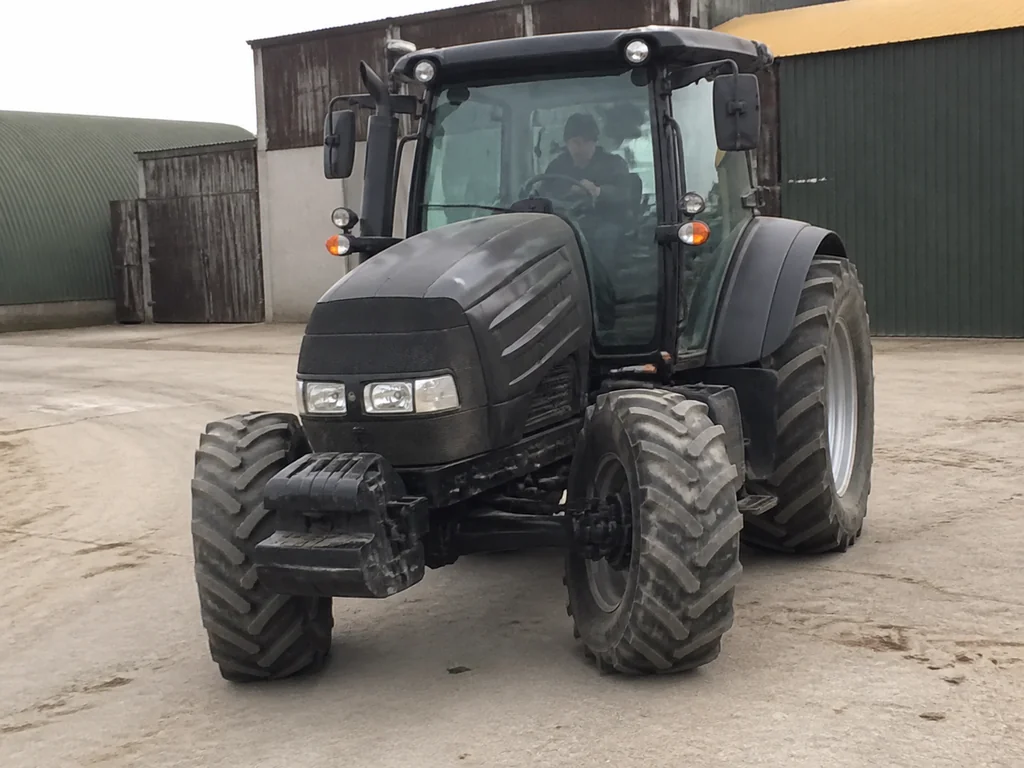
Yes. Some newer 4WD designs narrow the gap4, so the drivetrain label alone should not eliminate an otherwise suitable current model. That evidence does not establish that every newer 4WD tractor will turn tightly enough for a particular operation.
For each candidate, request:
- The exact turning-radius or turning-circle information
- An explanation of the configuration behind that figure
- A demonstration through the most restrictive recurring route
- A like-for-like comparison with the leading 2WD candidate
Keep a newer 4WD tractor on the shortlist only if its actual turning behavior fits the intended work. A newer design is a reason to verify the model, not proof that it will pass.
Keep a newer 4WD candidate only after its actual turning radius and confined-space behavior are verified.
Should Region Determine Your Drivetrain Choice?
Latin American and African buyers should compare actual sites and available models rather than assume maneuverability differs by region.
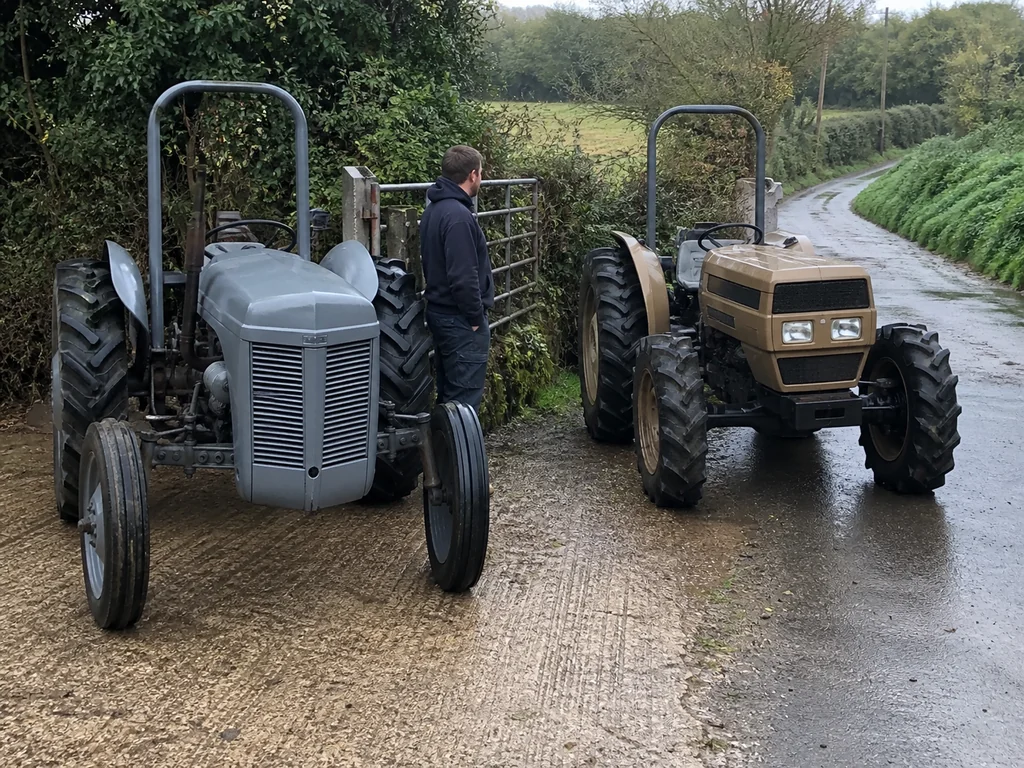
No. Region should not be used as a shortcut for deciding maneuverability. The supplied evidence supports general patterns: smaller 2WD turning circles1, 2WD tight-space ease2, 4WD control and newer gains4, easier flat-terrain maneuvering5, and 4WD cramped-area limitations3. None of these sources supplies country-specific turning measurements for Latin America or Africa.
Buyers in these markets should localize the comparison inputs instead. Record:
- The exact tractor models offered for the purchase
- Each candidate’s documented turning information
- The narrowest recurring routes at the actual operating site
- Whether confined work or open-field work dominates
- The configuration that will be delivered
- Whether a representative demonstration can be completed
This approach keeps the decision relevant to local procurement without inventing regional differences. Base the choice on measured operating constraints and the tractors actually under consideration.
Which Tractor Passes Your Final Maneuverability Check?
The right option fits recurring tight spaces, matches terrain and control priorities, and proves its turning performance at model level.
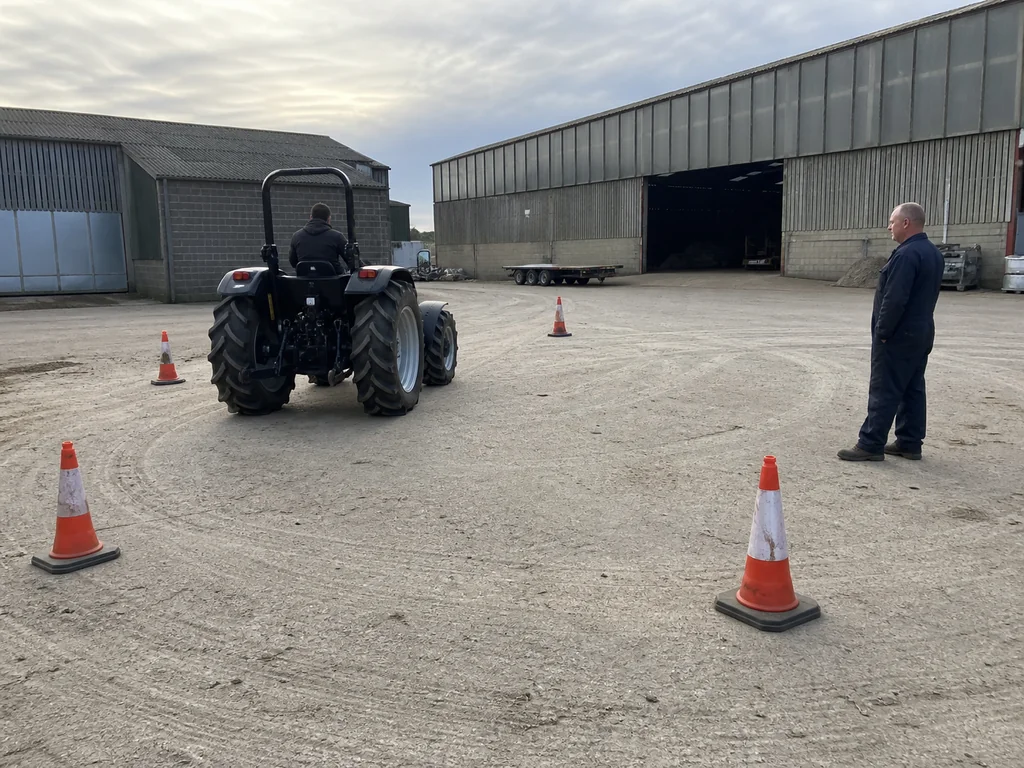
Apply a model-level pass-or-reject check to each candidate. General drivetrain tendencies can guide the shortlist, but they should not make the final decision.
| Final check | Passing evidence | Decision effect |
|---|---|---|
| Documented turning performance | Exact-model data supporting the turning-circle tendency1 | Required for either drivetrain |
| Confined-space fit | Demonstrated tight-space handling2, accounting for the reported cramped-area disadvantage3 | Reject a model that cannot complete the recurring route |
| Flat-terrain priority | Relevant flat-terrain maneuvering tendency5 | May favor 2WD |
| Open-field priority | Relevant open-field control and newer gains4 | May keep 4WD in contention |
| Regional assumptions | Local models and measured site constraints were used | Prevents an unsupported regional conclusion |
Approve the tractor only when its turning performance fits recurring confined spaces, its maneuverability matches the intended terrain and work environment, and any open-field control advantage is important to the operation.
Final check: Approve a 2WD or 4WD choice only after verifying its turning radius, confined-space fit, terrain suitability, and required open-field control.
Approve a 2WD or 4WD choice only after verifying its turning radius, confined-space fit, terrain suitability, and required open-field control.
Conclusion
When tight, repeated turns dominate, a 2WD tractor is usually the stronger first candidate because of its reported tight-turn advantage. When open-field control carries more weight, a 4WD tractor may be the better overall fit, and newer 4WD maneuverability gains justify model-level consideration rather than automatic rejection.
For operations in Latin America and Africa, compare the tractors actually available against the actual worksite. Document the turning specification, test the most restrictive recurring route, and choose the machine that best balances confined-space agility with the control required for its dominant work.
References
-
2WD vs. 4WD Tractor Turning Radius: Which Is More Maneuverable? — Explains turning radius as the main maneuverability metric and says 2WD tractors usually have smaller turning circles than 4WD tractors. ↩ ↩ ↩ ↩ ↩
-
Pros and Cons of 2WD vs. 4WD Tractors: Which One is Right for You? — Notes that 2WD tractors are often easier to navigate in tight spaces, while 4WD tractors can be harder to maneuver in small areas. ↩ ↩ ↩ ↩ ↩
-
4WD vs. 2WD Tractor Maneuverability: Key Differences — Highlights that 4WD tractors usually cannot turn as tightly as 2WD tractors and are less suited to cramped areas. - hobbyfarms.com. ↩ ↩ ↩ ↩
-
Choosing Between 4WD and 2WD Tractors: Key Differences and Advantages — Compares tight-turn use cases, open-field control, and how newer 4WD designs are narrowing the maneuverability gap. - cropilots.com. ↩ ↩ ↩ ↩ ↩
-
Do You Need A 2WD Or 4WD Tractor? — Describes 2WD tractors as lighter and easier to maneuver, especially on flat terrain. - equipmenttrader.com. ↩ ↩ ↩